
Cooking smells in the corridor. Cigarette smoke in an upstairs bedroom. A neighbour who swears it isn't coming from their place.
Odour moving between apartments is one of the toughest complaints a strata or building manager deals with. It's personal. It's hard to prove. And the source usually sits inside a private lot you can't touch.
Here's the good news. Most of the fix lives on common property. This is how we'd tackle it, step by step.
Why smells travel in apartment buildings
Most people picture an apartment as a sealed box. It isn't.
Researchers who studied a 12 storey apartment building in Ontario, Canada point out that the walls and doors between units, corridors and shafts are much less airtight than the building's outer skin. Significant volumes of air can move between them under quite small pressure differences.
Another field study, from the University of Waterloo, found wind and stack effect pressures were often as strong as, or stronger than, the pressures created by the building's ventilation system. That means they can overwhelm it. Stack effect is the chimney pull of warm air rising through a tall building.
In plain terms: air finds the gaps, and it takes the smell with it.

Step 1. Find the path, not just the source
Arguing about who's smoking or what someone cooked goes nowhere. The path the smell takes is something you can actually find and fix.
The usual suspects:
Gaps under apartment entry doors into the corridor
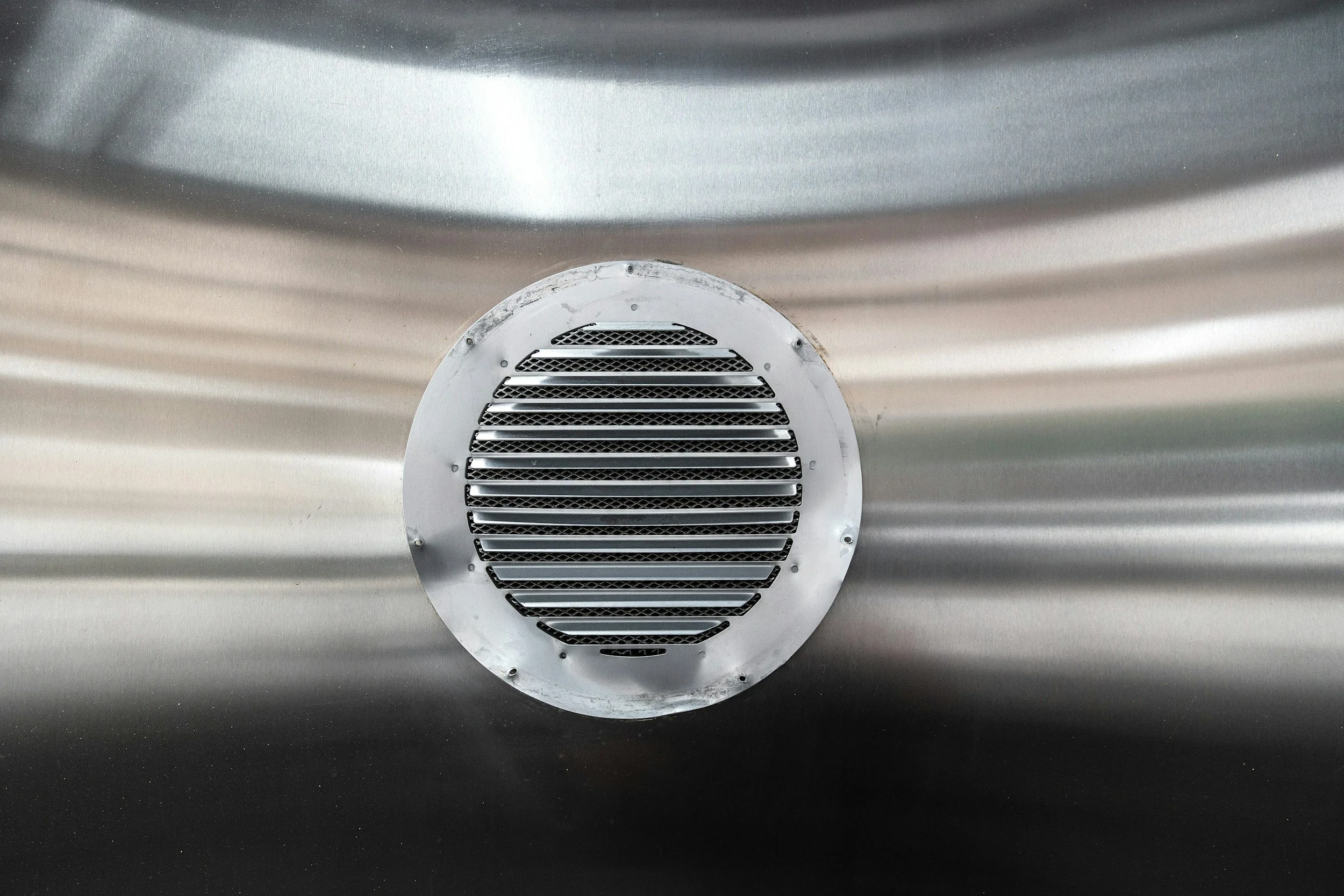
Shared exhaust risers, and bathroom or kitchen fans with backdraft flaps that no longer close
Holes around pipes and cables in shared walls, ceilings and service cupboards
Balcony to balcony drift on still evenings
Walk the building while the smell is happening. Strongest in the corridor? Look at the doors. Coming through the bathroom? Look at the risers. Only when the balcony door is open? That's outdoor drift.
Don't rule out vents. In one NSW case, in Kingscliff on the far north coast, smoke kept reaching an apartment through its vents even with every window and door shut.
Start a log too: date, time, where, how strong. Cancer Council NSW reports the Kingscliff residents put their tribunal win down to detailed diary notes. The same log tells your contractors exactly where to look.
Step 2. Fix the building
This is where the real improvement comes from. None of it is glamorous.
Door seals. Perimeter seals and drop seals on apartment entry doors. Cheap, quick, and often the biggest single win.
Ventilation balance. Get a mechanical services contractor to check corridor supply and exhaust. A corridor running at the wrong pressure can draw air out of apartments and carry it along the floor.
Exhaust fans and flaps. Check every connection to shared risers. Make sure the fans run and the backdraft flaps close.
Penetrations. Seal gaps around pipes and cables in shared walls and service cupboards, using a licensed contractor and fire rated products.
Building researchers call this compartmentalisation. A guide from the Pacific Northwest National Laboratory, part of the US Department of Energy, recommends it for multistorey residential buildings to cut unintentional airflow between spaces and reduce odour transfer.
Step 3. Use the rules you already have
Smoke is the one area where the law gives committees real backing.
New South Wales. Section 153 of the Strata Schemes Management Act 2015 says owners and occupiers must not create a nuisance or hazard. A note in the section spells out that smoke getting into a lot or common property may do exactly that.
The NSW Civil and Administrative Tribunal (NCAT) has backed this up. In one Sydney CBD building, residents smoked inside their own apartment and on their balcony, and believed the bylaws didn't cover them. The tribunal disagreed. The smoke travelled through common property air space and a window into the neighbour's home, so it was still a breach.
In the Kingscliff case, NCAT found the smoke drift from the unit below was both a hazard and a nuisance. The neighbours were ordered to stop smoking on their balcony. The owners corporation then voted in a smoke free bylaw. The whole process took 15 months, which tells you why prevention beats litigation.
Victoria. Model rule 1.4 came into effect on 1 December 2021. In multi level developments, owners and occupiers must make sure smoke from their lot doesn't reach common property or another lot. If your owners corporation hasn't made its own rule on the topic, the model rule applies.
Everyday cooking smells are a different story. Nobody can be stopped from cooking dinner. That's why steps 1 and 2 matter most. The building has to do the work.

Step 4. Look after the common areas
Once the building is sealed and balanced, what's left is usually lingering odour in corridors, lobbies and lifts. This is where we come in.
Our scent diffuser systems connect directly to your air supply or air conditioning to deliver a consistent, pleasant fragrance across common areas. And if the smell is starting downstairs, our bin room odour control system is purpose built for garbage rooms and loading docks.
One honest note. Fragrance is not a cover for a building defect. Fix the path first. Then scenting makes the common areas feel looked after, which is what residents notice.
Where to start
If a smell complaint keeps bouncing between residents, the committee and contractors, stop the ping pong. Walk the building at the right time, log what you find, and fix the paths on common property.
We work with strata and building managers across Melbourne and Sydney on exactly this. See how we help on our strata odour control page, or get in touch and we'll talk it through.
Sources
University of Waterloo: Field study of airflow in a high rise residential building (2014)
US Department of Energy, Building America Solution Center: Airflow control in multifamily buildings
LookUpStrata: NCAT smoking decision on smoke drift in strata
NSW Legislation: Strata Schemes Management Act 2015, section 153
Quit Victoria: New owners corporation rule on smoke penetration (November 2021)
Consumer Affairs Victoria: Model rules for owners corporations