
Complaints about aged care have jumped. The Aged Care Quality and Safety Commission (ACQSC), the national regulator for aged care, received 10,628 complaints between 1 November 2025 and 30 June 2026. That is 45% more than the 7,323 it received over the same months a year earlier.
Those figures come straight from the Commission's latest annual report, and it goes further than the headline number. Appendix 3 breaks complaints down by registered provider and by individual residential care home. Families can look it up, and plenty will.
Most complaints are about care, staffing and fees. But the Complaints Commissioner also names hygiene as a common issue in residential aged care, alongside medication management, falls prevention and staffing. When families are paying closer attention than ever, they read every small signal a home gives off. The first one hits them before they reach the reception desk.

What the new numbers say
The complaints held 17,781 individual concerns, because many people raised more than one issue. According to the annual report, the five most common were:
assessment, planning and management of health conditions
staffing levels, including 24/7 registered nurses and care minutes
communication and consultation about fees and charges
account statements that were missing or wrong
communication about those statements
None of these is about the building. That's exactly why it matters. A family worried about staffing or fees is already looking for proof that a home is well run. A clean, fresh, welcoming entry is one of the first pieces of evidence they get, and a stale or sour one is one of the fastest ways to lose their trust.
The standards already ask for a welcoming home
This isn't only about impressions. Under the strengthened Aged Care Quality Standards, Standard 4 covers the environment. Outcome 4.1 asks providers to deliver care in a clean, safe and comfortable environment that "optimises their sense of belonging, interaction and function".
The actions under that outcome say the service environment should be routinely cleaned and kept safe, welcoming and comfortable. The Commission's guidance adds that cleaning covers the environment's "general appearance and homeliness". Homeliness is hard to achieve in a corridor that smells of the sluice room.
Residents get a say too. The annual Residents' Experience Survey asks a random sample of at least 10% of residents in each government funded home 12 questions, including "Is this place well run?" and "How likely are you to recommend this residential aged care home to someone?" Those answers make up the Residents' Experience rating, which is 33% of a home's Overall Star Rating on My Aged Care.
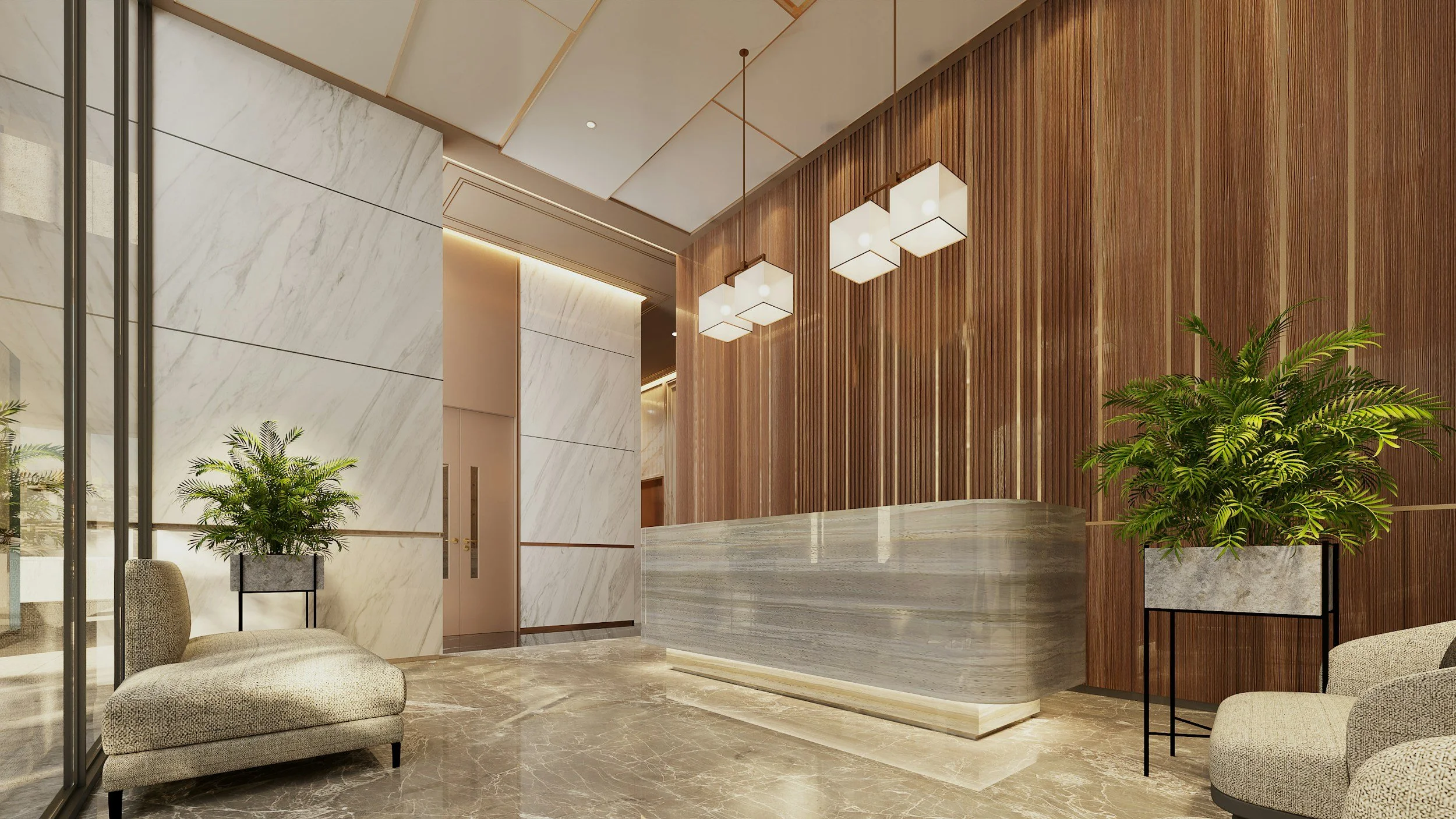
Ten seconds at the front door: a walk through
The easiest way to see your home the way a family does is to walk in like one. Staff who work there every day often stop noticing smells they live with, so bring someone from outside the building if you can. Arrive mid morning or just after lunch, when visitors do, and go in through the main entry.
Then stop and breathe before you start looking. Here's where we suggest you focus.
Entry and reception
This is the moment families remember. Check doormats, upholstered chairs, indoor plants and any bins near the desk. If the entry is close to a car park or delivery area, notice what drifts in when the doors open.
Corridors and lifts
Carpet holds odour, and lifts trap it. Walk the main route a visitor takes to a resident's room and note any spot where the air changes.
Bathrooms and sluice rooms
These are the usual sources. If a sluice room door sits on a busy corridor, every visitor walks past it.
Laundry, kitchen and dining
Food smells can be lovely at lunch and unpleasant an hour later. Check the dining room after a meal, and check where kitchen and laundry air ends up.
Bins and waste areas
Waste rooms, bin stores and loading areas near entries cause more trouble than most managers expect, especially in warm weather.

Fix the source, then add a welcoming scent
The order matters. Fragrance should never be used to cover a problem, because families notice when one smell is sitting on top of another.
Start with the sources you found on your walk. Cleaning schedules, door closers and ventilation fix plenty of them. For the rest, our odour control service uses odour neutralising scent in sluice rooms and bathrooms, and our odour control systems for waste areas look after bin rooms and waste disposal areas with minimal maintenance.
Once the air is neutral, scent can do its real job. A calm, welcoming fragrance in reception and common areas creates a positive first impression for residents and visiting families. Our scent diffuser systems deliver subtle, consistent fragrance tailored to the space.
For aged care, gentle matters. We can recommend gentler fragrance options and work with your team to choose what suits your residents.
Before anything goes in, agree the plan with your director of nursing or clinical lead. They know which residents and staff are sensitive to scent. Keep fragrance to reception and shared lounges, away from bedrooms, treatment rooms and dining areas at mealtimes, and start subtle. Then review it after a few weeks with residents, families and staff.
You can read more about our work with aged care facilities and our fragrance solutions.
Make it part of the weekly routine
A fresh entry on audit day isn't the goal. A fresh entry on an ordinary Tuesday is. A few simple habits keep it that way.
Give each area an owner. Someone should be responsible for how reception, each wing and the waste areas smell, not just how they look.
Repeat the walk. Do the front door test weekly, at different times of day, and write down what you find.
Ask families. A short question at the end of a visit tells you more than any internal check.
Plan for summer. Warm weather makes most odour sources stronger, so check waste areas and bathrooms before the hot weather arrives.
The first ten seconds are yours to shape
More complaints and more public data mean families are arriving with sharper eyes, and sharper noses. You can't control every worry they bring with them. You can make sure the first thing they notice tells them this home is cared for.
If you'd like a fresh set of eyes on your facility, request a free site assessment. We'll assess your specific air quality and odour challenges and recommend the right solution, with no obligation.
Sources