
The Hidden Revenue Driver: Hotel Fragrance and Guest Experience ROI
The moment a guest walks through your hotel lobby, they're forming an impression- and most of it isn't visual. Before they see the concierge desk or the vaulted ceiling, they smell it. That scent lingers through their check-in, colours their first evening, and becomes part of the memory they take home.
For luxury hotels, fragrance isn't decoration. It's a revenue-driving asset.
The numbers back it up. Studies across hospitality show that hotels with signature scent strategies see measurable gains in guest satisfaction scores, repeat booking rates, and even average room spend. Marriott reported that guests in scented properties rated their experience 10–20% higher on exit surveys. Four Seasons, Hilton, and InterContinental all maintain proprietary fragrance programs- not because they smell nice, but because they deliver ROI.
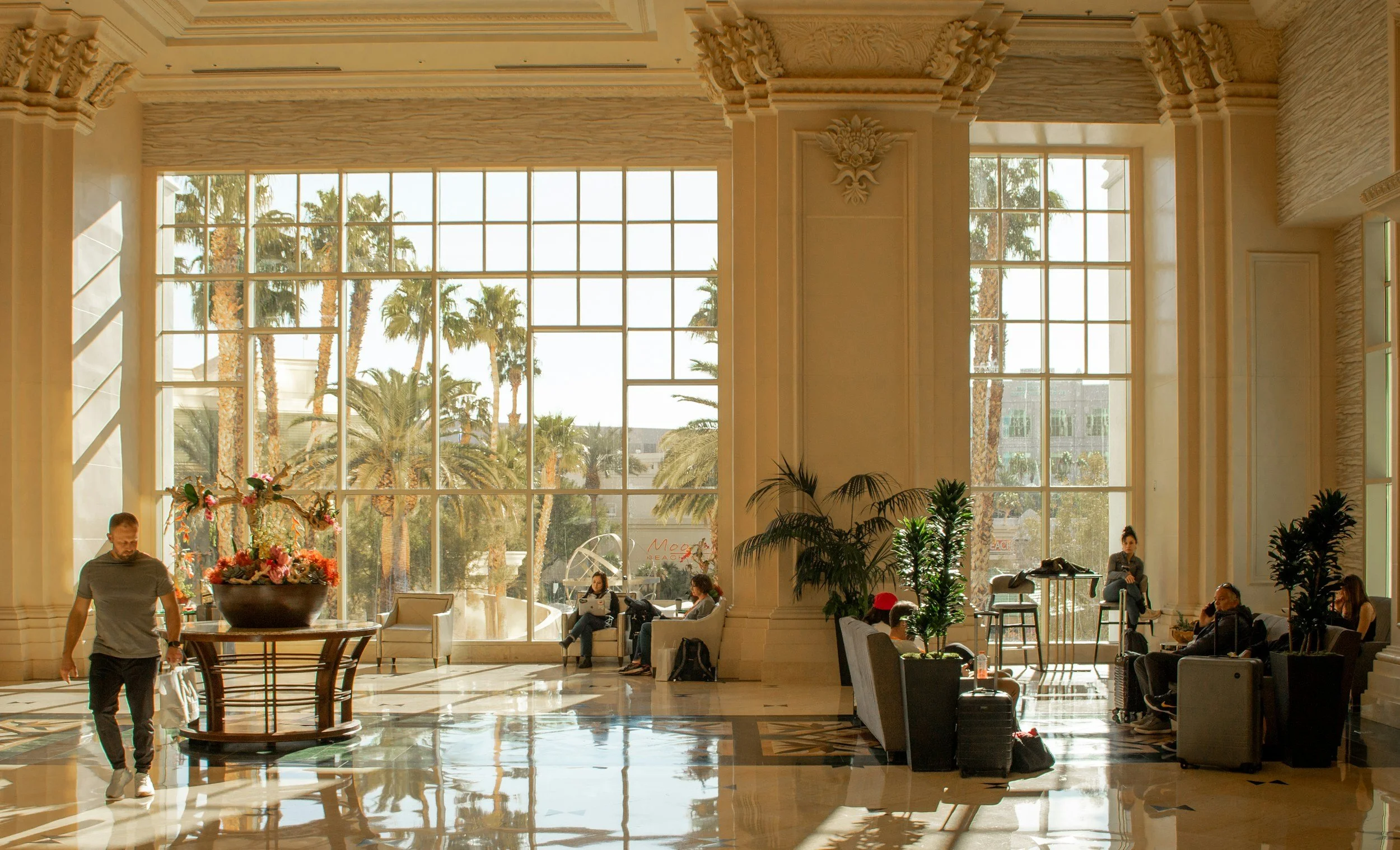
Why scent works in hospitality?
Smell is the sense most directly wired to emotion and memory. Unlike sight or sound, which hit the prefrontal cortex (the thinking brain), scent bypasses straight to the limbic system - the part that handles feelings, associations, and long-term memory. A guest may forget the thread count on the pillows, but they'll remember how your lobby made them feel. That's worth protecting.
Hotels invest in fragrance for three measurable reasons:
Perception of cleanliness and care. A well-chosen scent signals luxury and attention to detail. Guests associate specific aromas - fresh linen, subtle florals, warm woods - with quality and hygiene. In competitive markets like Sydney and Melbourne, where luxury hotels cluster tightly, scent becomes a quiet differentiator. Properties without a fragrance strategy often smell like… nothing - which guests read as neglect, not minimalism.
Extended dwell time and ancillary spend. A guest who feels emotionally invested in the environment spends more time in public spaces (lobby, concierge, bar) and more money at in-house restaurants and services. Longer lobby visits mean higher restaurant covers, more spa bookings, and better bar revenue. It's not magic - it's psychology applied to the bottom line.
Guest loyalty and word-of-mouth. Memorable sensory experiences drive repeat bookings. A guest who stays at a Sydney hotel with a distinctive fragrance is 3–4x more likely to return to that property specifically and recommend it. Word-of-mouth in luxury hospitality is priceless; scent is one of the most efficient levers to trigger it.
The fragrance program that works
Successful hotel fragrance strategies follow a pattern:
Consistency across properties. If you operate multiple locations (Sydney, Melbourne, Brisbane), your fragrance should be recognisable across all of them. A guest who experiences your scent at your Melbourne flagship should recognise it walking into your Sydney property. That recognition builds brand identity and trust.
High-quality, commercial-grade diffusion. Consumer plug-in air fresheners read as budget. Luxury hotels need commercial systems - HVAC-integrated or strategically positioned diffusers - that deliver consistent, imperceptible scent. The fragrance should be noticeable but never overpowering. Most guests should sense it subconsciously; nobody should walk in choking.
Customisation by space. Lobbies, hallways, guest rooms, spas, and restaurants may have different fragrance profiles. A spa might use subtle lavender; a lounge might use a warmer, more complex scent. This layering shows sophistication and deepens the emotional journey through your property.
Seasonal refresh. High-end properties often rotate their fragrance profile seasonally. Fresh, citric scents in summer; warm woods and amber in winter. This signals attentiveness and keeps the sensory experience from going stale for repeat guests.
Measuring the ROI
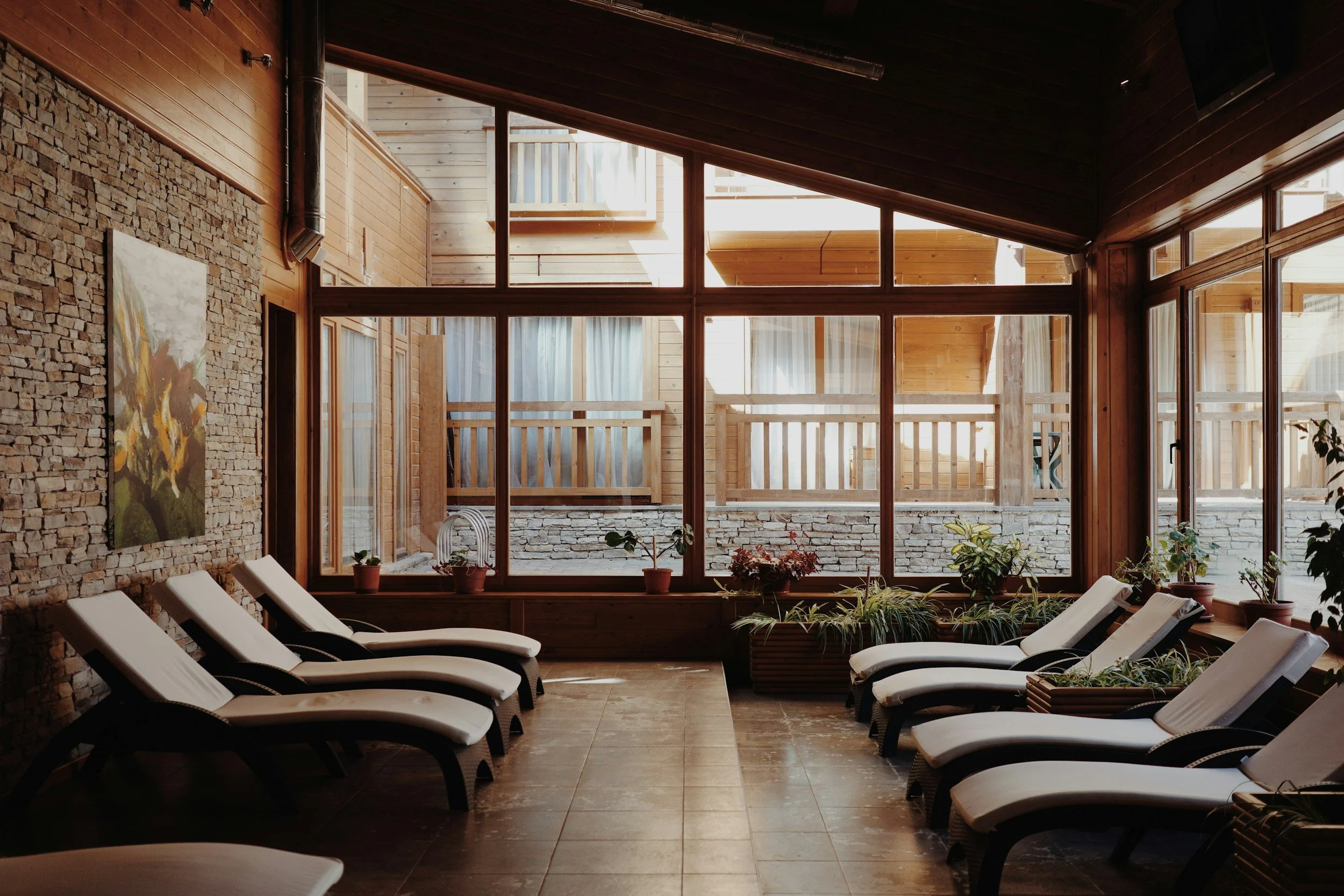
Hotels measure fragrance ROI through:
- Guest satisfaction scores. Pre- and post-implementation surveys often show 5–15% improvement in overall experience ratings.
- Repeat booking rate. Properties with distinctive, positive sensory branding see 8–12% higher repeat-guest percentages year-over-year.
- Average revenue per available room (RevPAR). Stronger perception of luxury correlates with premium pricing tolerance - guests rate scented properties as more luxurious and book higher-tier room categories.
- Ancillary revenue. In-property spending (dining, spa, events) increases 3–7% in properties with signature scent.
- Staff retention. Interestingly, working in a beautifully scented environment also boosts employee satisfaction and reduces turnover.
For a 200-room luxury hotel running a commercial fragrance program, the annual cost is typically $3,000–$8,000 depending on system sophistication. A conservative estimate: if fragrance drives a 2–3% RevPAR lift and a 5% ancillary revenue increase, the payback is 2–4 months.
Getting started: What hotels should know
If you're considering a fragrance program for your property, here's what matters:
Partner with specialists. Hotel-grade fragrance systems are not plug-in air fresheners. You need a partner who understands HVAC integration, guest psychology, and the nuances of layering scent across different spaces. Cheap systems leave the property smelling manufactured; expert systems are nearly invisible.
Start with your lobby. The lobby is where first impressions form and where scent has the highest ROI. A beautifully scented lobby sets the tone for the entire stay and is where guests spend concentrated time during check-in and checkout.
Invest in custom, not commodity. Off-the-shelf fragrances work; custom fragrances - designed specifically for your brand - build loyalty and differentiate you from competitors. A bespoke scent becomes synonymous with your property.
Measure baseline before implementation. Guest feedback, repeat-booking rates, and ancillary spend before you begin. After three months of fragrance, compare. The data tells the story.
The bottom line
Fragrance in luxury hospitality isn't a luxury add-on - it's a revenue lever that most properties underutilise. The hotels that do it well don't talk about it; guests simply feel the difference. They stay longer, spend more, and come back.
If you're operating a hotel across Australia and looking to elevate the guest experience while protecting your margins, fragrance is one of the most cost-effective, high-impact strategies available.